Elevation Challenges in Sports: Stamina and Scoring Shifts at High-Altitude Venues
Gisela Hayes · Aug 26, 2026
Elevation Challenges in Sports: Stamina and Scoring Shifts at High-Altitude Venues
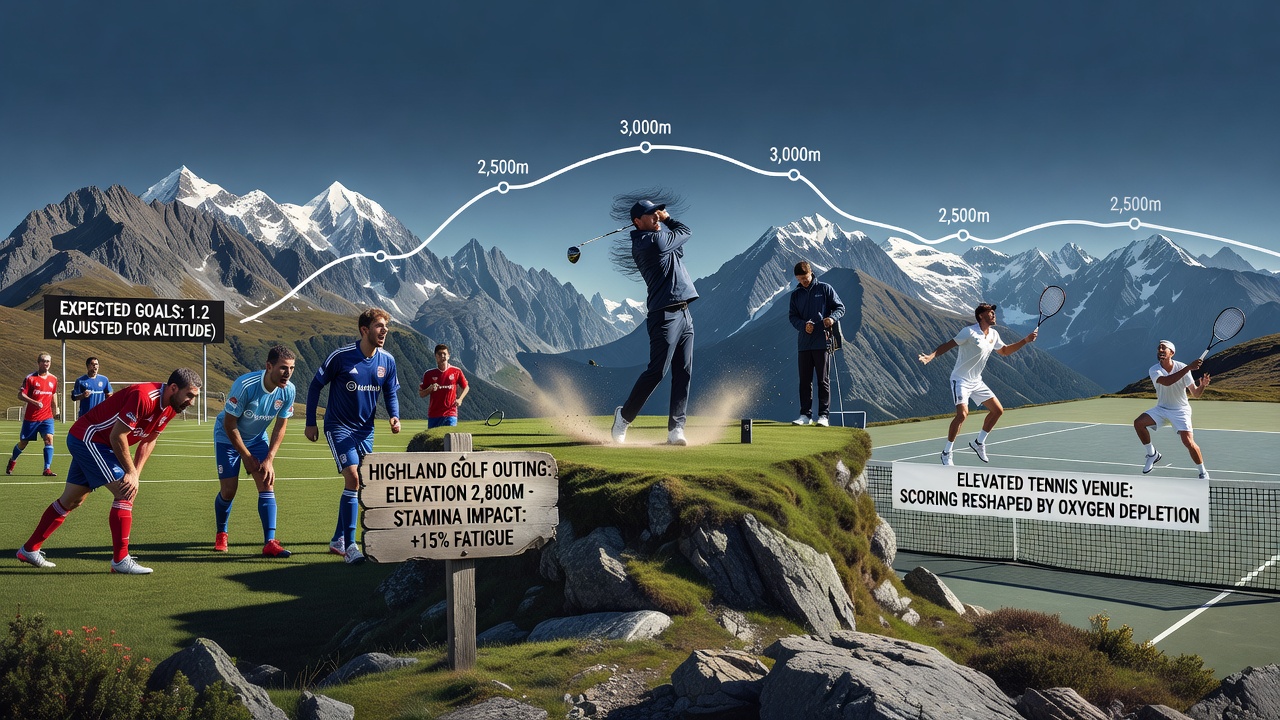
High-altitude environments present unique physiological demands that alter how players maintain stamina and how scoring patterns develop in football, golf, and tennis, and data from various competitions shows consistent adjustments in performance metrics when matches occur above 2,000 meters. Researchers have documented lower oxygen availability leading to elevated heart rates and quicker fatigue onset, which forces teams and individuals to adapt pacing strategies from the opening minutes onward.
Physiological Responses at Altitude
Lower air pressure reduces oxygen uptake, prompting the body to increase breathing rate and cardiac output while blood oxygen saturation drops, and studies from institutions across South America and North America confirm these changes begin within minutes of exposure. Athletes experience accelerated lactate accumulation during sustained efforts, which shortens the duration of high-intensity bursts and reshapes recovery intervals between plays or shots. Acclimatization over several days allows partial compensation through increased red blood cell production, yet many fixtures occur without full preparation time, leaving participants to manage reduced endurance thresholds.
Football Fixtures in Mountain Settings
Matches played in venues such as La Paz, Bolivia, at approximately 3,600 meters demonstrate measurable declines in total distance covered by players after the first half, and tracking data reveals fewer sprints in the later stages compared to sea-level equivalents. Scoring expectations shift because defensive lines tire faster, opening gaps for counterattacks, while set-piece situations gain prominence as sustained attacking phases become harder to maintain. Observers note that visiting squads often record lower possession percentages in the final 30 minutes, prompting coaches to rotate personnel more frequently and adjust formations toward compact structures that conserve energy.
Golf Outings on Highland Courses
Courses situated in elevated regions like those in the Colorado Rockies or Swiss Alps alter ball flight characteristics due to thinner air, resulting in greater carry distances on drives while approach shots require precise club selection adjustments. Stamina demands rise on longer layouts because players walk or transport equipment over undulating terrain with reduced oxygen, and data indicates increased heart rate variability during back-nine play when rounds extend beyond four hours. Scoring averages show slight elevations in bogey rates on par-four and par-five holes later in the round, reflecting diminished focus and swing consistency as fatigue compounds with each successive hole.
Tennis Venues at Elevation
Events hosted in locations such as Bogota, Colombia, or certain Aspen facilities expose competitors to similar oxygen constraints that affect rally endurance and movement efficiency across the court. Match statistics from professional circuits indicate longer average point durations become less sustainable, leading to higher error rates on extended exchanges and a greater proportion of points decided within the first four shots. Service games may see modest increases in ace percentages because ball speed benefits from reduced drag, yet return performance often declines as players struggle to maintain court coverage depth after multiple sets.
Adjustments in Scoring Expectations
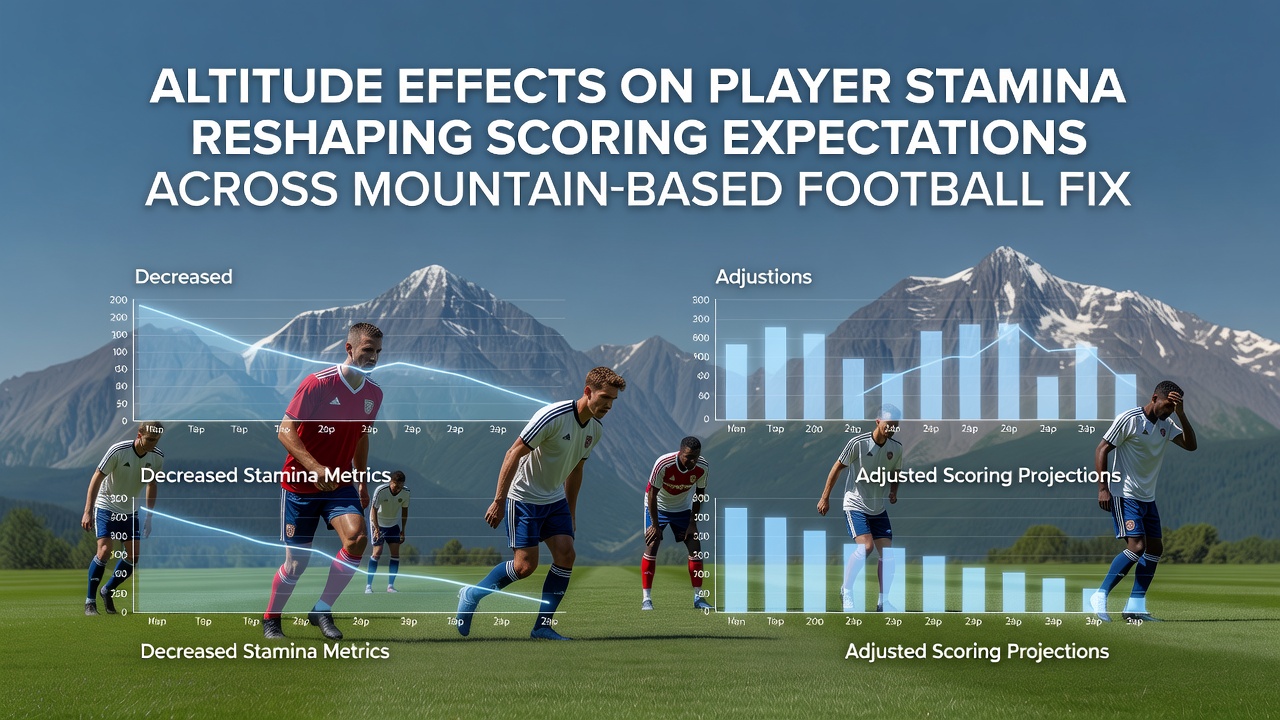
Analysis of historical results across these sports reveals patterns where total goals, birdies, or points per set adjust predictably at altitude, and governing bodies along with performance analysts compile season-long datasets that inform preparation models. Teams and athletes who incorporate altitude-specific training camps report better maintenance of baseline output, while those without such preparation exhibit steeper performance curves in the second half of contests or rounds. Equipment choices in golf and tactical substitutions in football and tennis further modulate outcomes, creating layered variables that organizers monitor through standardized testing protocols.
Strategies and Preparation Trends
Coaches and support staff implement staged arrival schedules, hydration protocols, and modified training loads to mitigate effects, and evidence from university-led research programs in the United States and Australia highlights measurable improvements in repeat sprint ability after structured acclimatization periods. Monitoring tools such as wearable oxygen saturation devices allow real-time adjustments during events, helping maintain competitive balance despite environmental challenges. Scheduling considerations in August 2026 include several high-profile fixtures at elevated sites, where medical teams emphasize pre-event screening to identify individuals with heightened sensitivity to hypoxia.
Conclusion
Altitude continues to reshape stamina requirements and scoring dynamics across football, golf, and tennis through well-documented physiological mechanisms, and ongoing data collection from international competitions supports refined preparation frameworks that address these environmental factors directly. Performance records at venues above 2,000 meters provide benchmarks for future planning, while equipment regulations and training methodologies evolve to accommodate the consistent demands of thinner air.