How Real-Time Data Analytics Drive Betting Line Shifts in Team Sports and Precision Events
Greta Hoffmann · Oct 31, 2026
How Real-Time Data Analytics Drive Betting Line Shifts in Team Sports and Precision Events
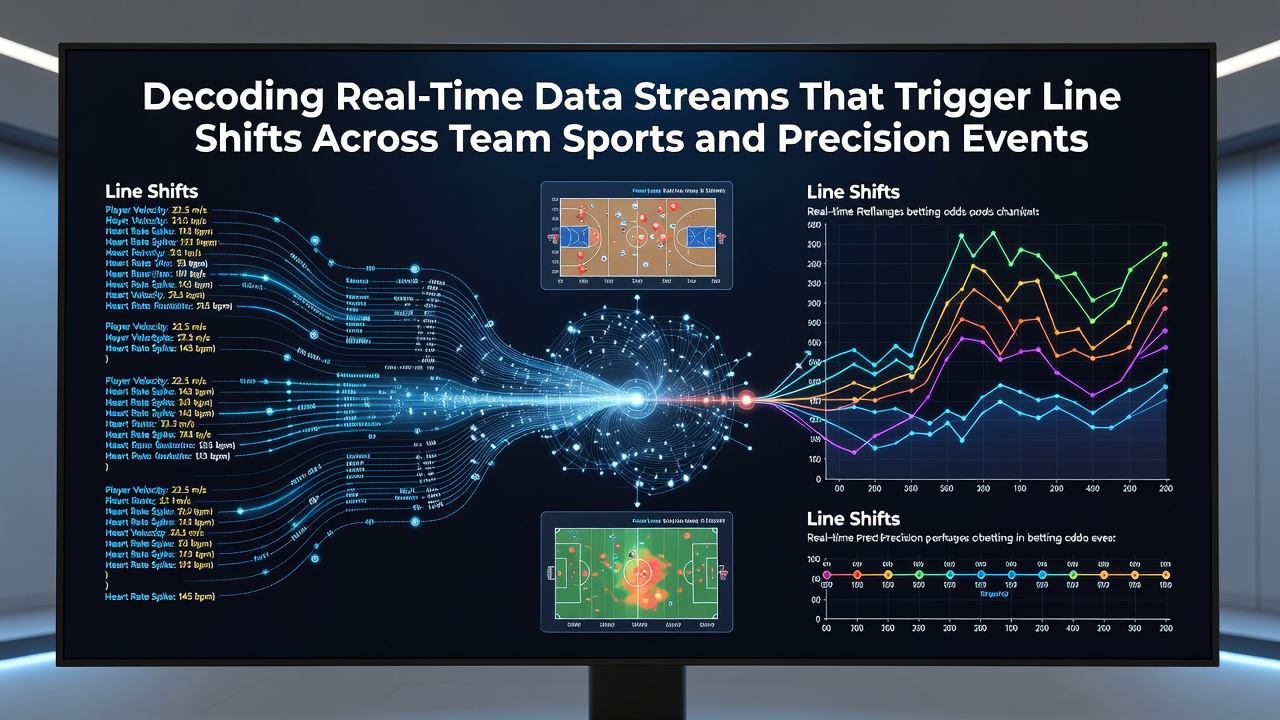
Real-time data streams feed directly into betting platforms across team sports and precision events, where incoming metrics from sensors, cameras, and statistical feeds prompt immediate adjustments to odds lines. Analysts track player movement patterns, ball velocity readings, and environmental variables through integrated systems that update every few seconds, and these continuous inputs allow operators to recalibrate spreads and totals as conditions evolve during matches. In October 2026, multiple leagues expanded their use of wearable tracking devices that transmit heart rate, acceleration, and fatigue indicators straight to central databases used by oddsmakers.
Core Components of Data Stream Processing
Teams deploy optical tracking cameras alongside GPS-enabled equipment to capture granular details such as sprint distances, passing accuracy percentages, and reaction times in sports like football and basketball, while precision events including tennis and darts rely on high-speed sensors that record serve speeds, spin rates, and target hit percentages. These raw figures flow into machine learning models that compare current performance against historical baselines, and when deviations exceed predefined thresholds the systems flag potential line shifts. Observers note that data latency has dropped below 500 milliseconds in major venues, which enables rapid response from pricing teams monitoring multiple events simultaneously.
Triggers in Team Sports Environments
Football matches generate line movements when possession statistics or expected goal models shift after key substitutions or tactical adjustments, and basketball games see rapid changes following three-point shooting percentages or defensive efficiency updates during live quarters. Researchers discovered that injury reports confirmed through on-site medical feeds often produce the largest immediate adjustments, because player availability data integrates with lineup projections to recalculate team strength ratings within seconds. One study revealed that momentum indicators derived from rolling averages of successful plays correlate strongly with half-time line adjustments in both American football and rugby contests.
Precision Event Data Dynamics
Tennis rallies produce detailed shot-by-shot analytics that influence set and match odds, particularly when first-serve percentages or unforced error rates deviate from player norms, and darts matches trigger checkout probability recalculations after each leg based on scoring consistency and finishing accuracy. Golf tournaments incorporate wind speed readings and green speed measurements that update hole-by-hole scoring projections, while cricket innings endings adjust run rate expectations when pitch degradation data combines with bowler fatigue metrics. Those who've studied these patterns know that small cumulative changes in precision metrics frequently lead to outsized line movements compared with team sports because individual performance carries higher weight in the underlying models.
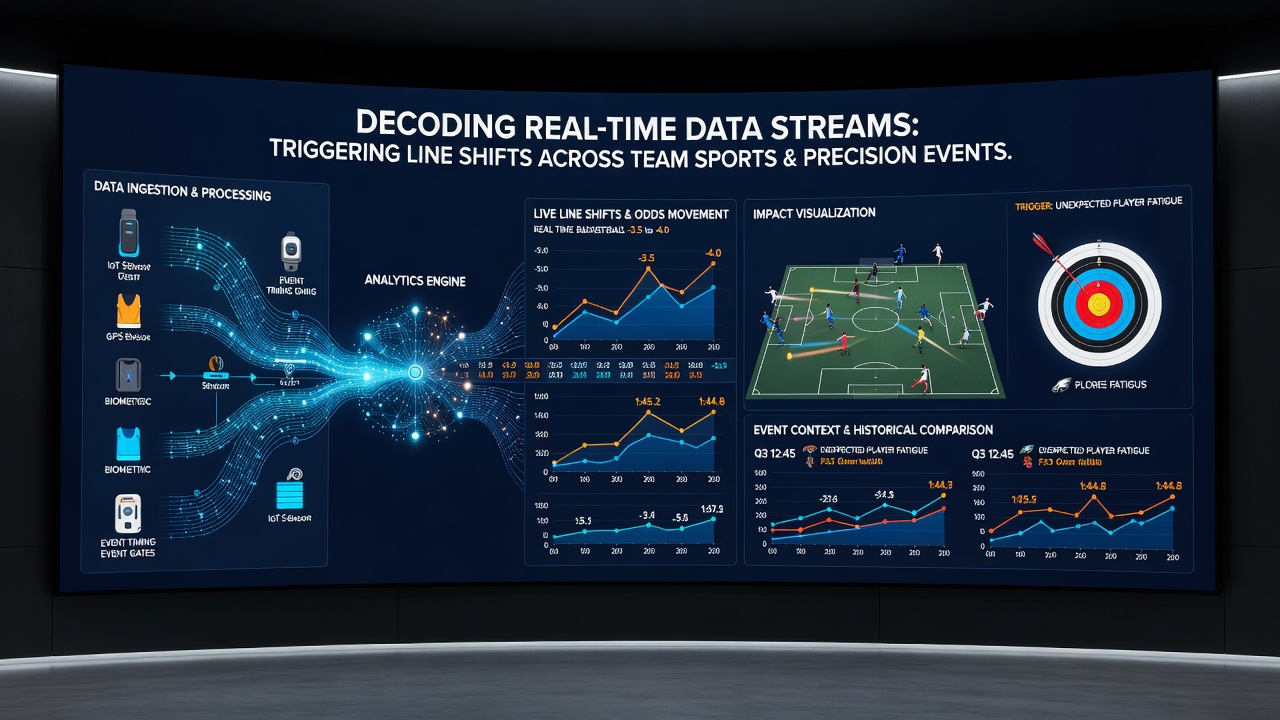
Integration with external sources adds another layer, as weather stations and venue-specific sensors supply temperature, humidity, and lighting data that algorithms factor into performance forecasts. Data shows that combining on-field metrics with crowd density figures and historical venue biases produces more stable pricing during extended sessions, and industry reports from organizations such as the American Gaming Association highlight how these layered inputs reduce variance in live betting markets. Academic papers from sports science departments at universities in Australia and Canada further demonstrate that multi-source fusion improves prediction accuracy by measurable margins across different event types.
Implementation Across Global Markets
European operators have adopted standardized APIs that pull from league-sanctioned data providers, whereas North American platforms emphasize partnerships with technology firms specializing in edge computing to minimize processing delays during high-volume periods. Australian regulatory frameworks require transparent logging of all data inputs used for odds adjustments, which creates audit trails that observers review for consistency. In October 2026, several Asian markets introduced pilot programs testing blockchain-based verification of sensor data to enhance trust in real-time feeds.
Conclusion
Real-time data streams continue to reshape how betting lines respond to unfolding events in both team and precision sports, with the volume and variety of inputs growing each season. Systems that process these streams effectively maintain tighter spreads and quicker updates, and ongoing refinements in sensor technology plus analytical methods support more responsive market operations across regions. The interplay between raw measurements and algorithmic interpretation remains central to understanding line movements that develop during live competition.