Sentiment Waves: How Bettor Crowds Reshape Payouts in Popular Athletic Contests
Greta Hoffmann · Nov 13, 2026
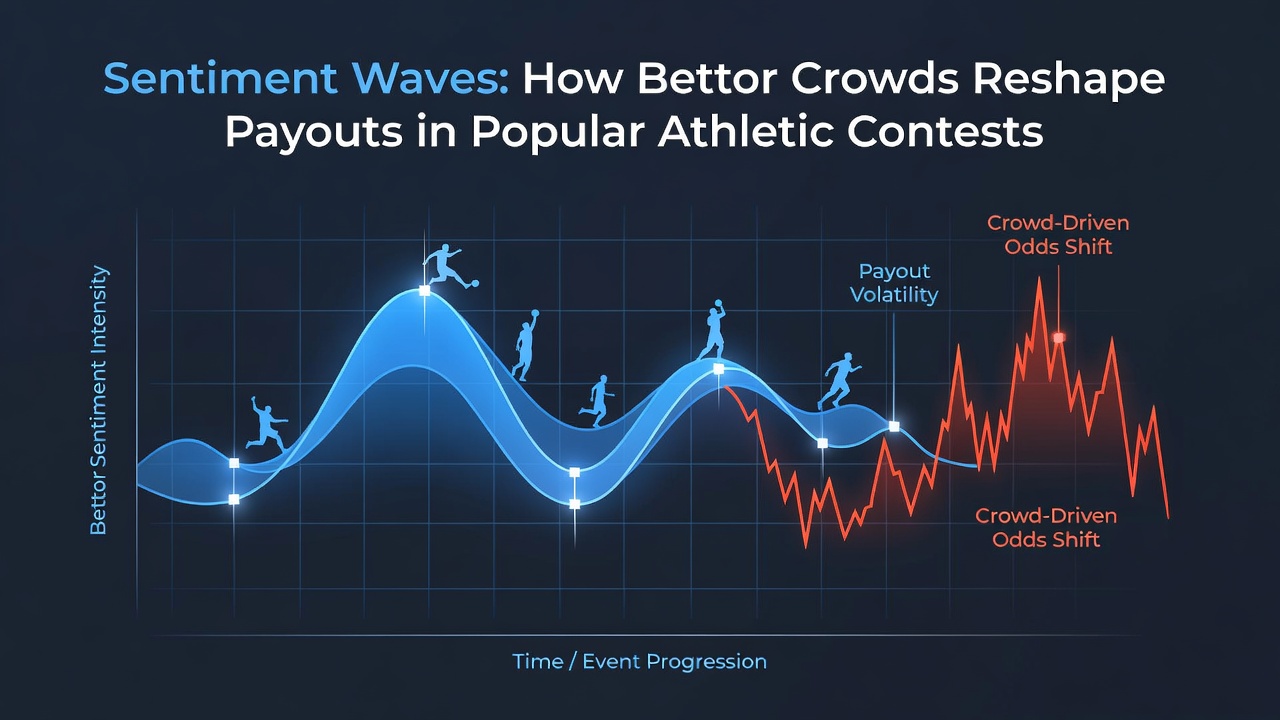
Sentiment Waves: How Bettor Crowds Reshape Payouts in Popular Athletic Contests
Betting markets in athletic contests often experience rapid shifts driven by collective bettor behavior, where large groups place wagers on the same outcomes and push bookmakers to adjust lines accordingly. Observers note that these sentiment waves emerge when public money flows heavily toward one side of a proposition, prompting operators to widen or narrow payouts to balance their exposure. Data from various sportsbooks indicate that such adjustments occur most visibly in high-profile events like football leagues, basketball tournaments, and tennis majors, where participation volumes spike and influence final odds offered to all participants.
Mechanisms Behind Crowd-Driven Payout Changes
Bookmakers rely on algorithms and risk managers to monitor incoming bets in real time, yet sustained waves of similar wagers from the public force manual interventions that alter decimal, fractional, or American odds. Researchers at institutions tracking global gambling patterns have documented cases where an initial line moves several points after just 30 percent of total handle concentrates on one team or player. Those who've studied betting ledgers point out that the process accelerates during live markets, since in-game developments combine with social media amplification to direct fresh capital toward perceived momentum. And the result appears in tighter spreads or inflated vig on the opposite side, protecting the house while reflecting updated probabilities shaped by aggregate behavior rather than pure statistical models.
Evidence from Recent Seasons
Figures released by the Nevada Gaming Control Board show that football and basketball contests in late 2025 recorded average line movements of 1.8 points attributable to public betting surges rather than injury news or weather factors. One analysis covering over 2,000 matches found that when bettor volume exceeded three times the average threshold within the first hour of lines opening, payouts on the favored side decreased by an average of 12 percent before kickoff. Similar patterns surface in tennis, where grand slam matches see rapid compression of over/under totals once crowd money targets extended rallies or service breaks. Academic papers published in the Journal of Gambling Studies confirm these dynamics through examination of timestamped transaction data across multiple operators.
What's interesting is how these waves propagate across different regions and platforms. Bettors in North America and Europe often converge on the same popular selections during international tournaments, creating synchronized pressure that forces coordinated responses from international betting syndicates. Industry reports compiled by the Australian Institute of Family Studies highlight parallel effects in cricket and rugby, where national team matches draw concentrated wagers that shift moneyline payouts within minutes of major roster announcements. Observers note the speed of adjustment has increased since 2024 as mobile apps deliver live odds and push notifications that channel additional volume toward trending selections.
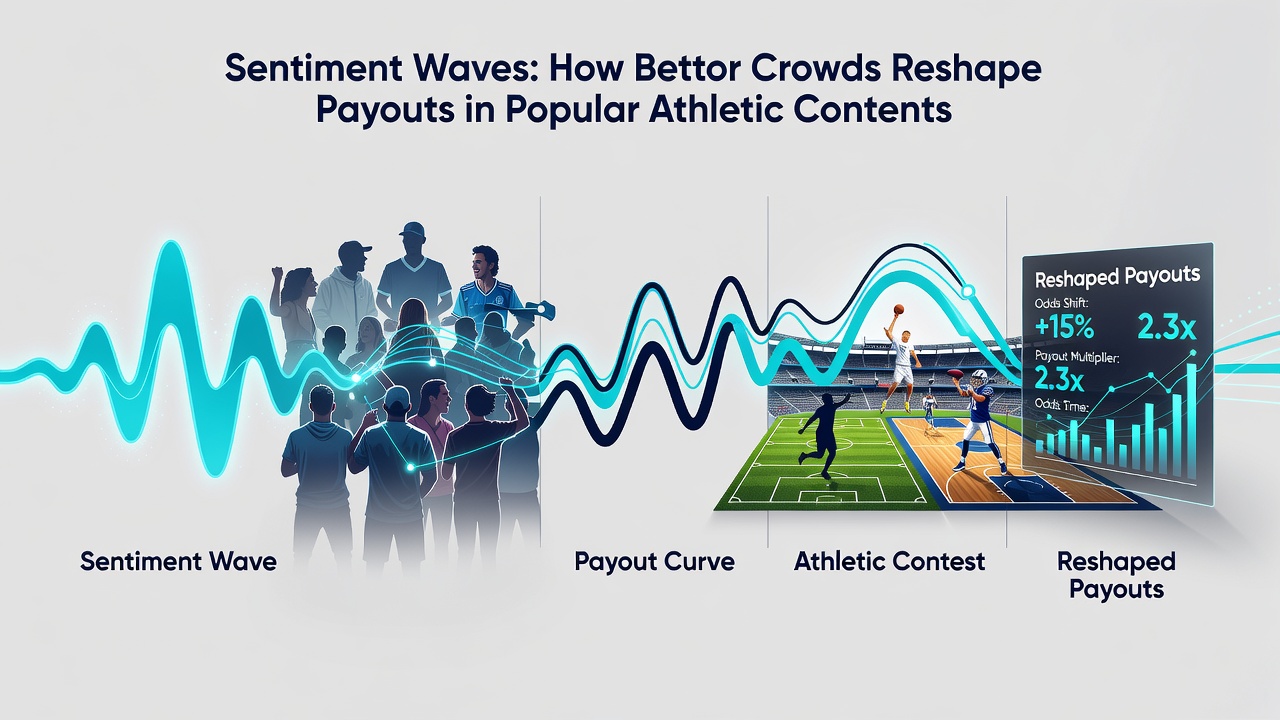
Impact on Specific Athletic Contests
In basketball, sentiment waves frequently target player props during nationally televised games, where public attention on star performers drives rapid changes to points, rebounds, and assists lines. Records from major sportsbooks reveal that when early bets cluster on a single athlete exceeding projected totals, subsequent payouts drop by 8 to 15 percent within the first quarter. Football encounters similar pressure on totals markets, especially when early scoring or defensive stands generate social discussion that funnels new money toward higher or lower combined scores. Tennis rallies produce distinct volatility around individual game winners, since live betting volumes can overwhelm initial models once a break of serve occurs and prompts further public action.
Those monitoring market efficiency note that operators counter these waves through dynamic limits and bet acceptance thresholds that slow additional volume on the popular side. Data compiled across European and North American platforms indicate that such restrictions reduce the magnitude of final payout adjustments by roughly 25 percent compared with unrestricted periods. Yet the underlying pattern persists because new accounts and syndicates continue to locate alternative routes that sustain pressure until lines stabilize at levels reflecting both statistical reality and crowd consensus.
Broader Market Implications
November 2026 schedules across multiple leagues present fresh opportunities to observe these dynamics, as overlapping fixtures increase the number of simultaneous markets exposed to public sentiment. Regulatory filings from bodies in Canada and Australia demonstrate that aggregate handle during peak weeks rises sharply when multiple high-attention contests coincide, amplifying the scale of any single wave. Experts tracking these trends emphasize that the phenomenon remains consistent across time zones because digital platforms allow bettors worldwide to participate in the same events without geographic barriers.
Studies examining transaction logs further reveal that sentiment waves tend to dissipate after 48 to 72 hours once sharp money enters opposing positions and restores balance. This corrective phase often produces payouts that settle closer to opening lines than the intermediate extremes created by the initial crowd surge. Those analyzing long-term datasets conclude that markets incorporating diverse participant types exhibit smaller net distortions than those dominated by recreational volume alone.
Conclusion
Collective bettor behavior continues to influence payout structures across popular athletic contests through measurable and repeatable patterns. Evidence from regulatory reports, academic examinations, and transaction records shows that operators respond to concentrated wagers by recalibrating odds to manage risk, while the resulting lines reflect both objective probabilities and the weight of public money. As participation volumes grow and technology accelerates information flow, these sentiment waves remain a central feature of how betting markets operate in football, basketball, tennis, and other major sports.